

Customer loyalty used to feel like something you earned over time. Today, it’s one bad experience away from being lost forever. According to recent data from Zendesk, more than 50% of customers will switch to a competitor after just a single unsatisfactory experience. Expectations have become unforgiving, especially online. So how do you keep your customers coming back?
Retailers can still win loyalty, but the rules have changed. With endless alternatives and instant comparisons, customers no longer hesitate to leave when a digital journey feels frustrating, confusing or impersonal. Price and promotions may attract first-time buyers, but they are rarely enough to bring customers back.
What truly determines whether customers return is how effortless and trustworthy digital experiences feel over time.
Retailers that invest in improving customer experience (CX) across websites, apps and other digital touchpoints are better positioned to retain customers, encourage repeat visits and support long-term revenue growth, not through isolated optimisations, but by designing experiences customers actively choose to return to.
There are many ways retailers can improve their digital customer experience. In this article, we focus specifically on how digital customer feedback can help identify friction, guide improvements and support long-term loyalty.
TL;DR – Article summary
Customer loyalty is built through digital experiences that are easy to navigate, aligned with customer intent and consistent across channels. Retailers that reduce friction, focus on relevance over complexity and continuously improve based on customer insight are more likely to drive repeat visits, retention and sustainable revenue growth.
In this blog, we’ll cover:
- Why repeat visits are won (or lost) in small moments
- Make it easy for customers to achieve their goal
- Reduce friction in high-impact moments
- Design digital journeys around customer intent
- Keep experiences consistent across digital channels
- Use personalisation to add relevance, not complexity
- Listen to customers to understand what drives return visits
- Continuously improve the experience over time
- Turning repeat visits into long-term loyalty with customer feedback
Why repeat visits are won (or lost) in small moments
Most CX issues that undermine loyalty aren’t dramatic failures. They appear as small moments of friction: a confusing filter, an unexpected checkout step, inconsistent information across devices. Individually, these moments seem minor. Over time, they quietly weaken trust.
When these moments go unaddressed, retailers don’t just lose conversions, they lose future visits, repeat purchases and long-term customer value.
The following 7 CX tips focus on identifying and removing those moments, so customers don’t just complete a journey once, but feel confident returning again and again.
1) Make it easy for customers to achieve their goal
Customers arrive on retail websites with a clear intention: finding a product, comparing options or completing a purchase. When these tasks require unnecessary effort, customers are far less likely to return.
Clear navigation, intuitive search and predictable user flows reduce frustration and help customers feel confident in their decisions. Experiences that feel easy and reliable form the foundation of customer loyalty. Capturing in-the-moment website feedback helps teams validate whether customers can actually complete key tasks, especially where analytics alone fail to explain drop-offs.
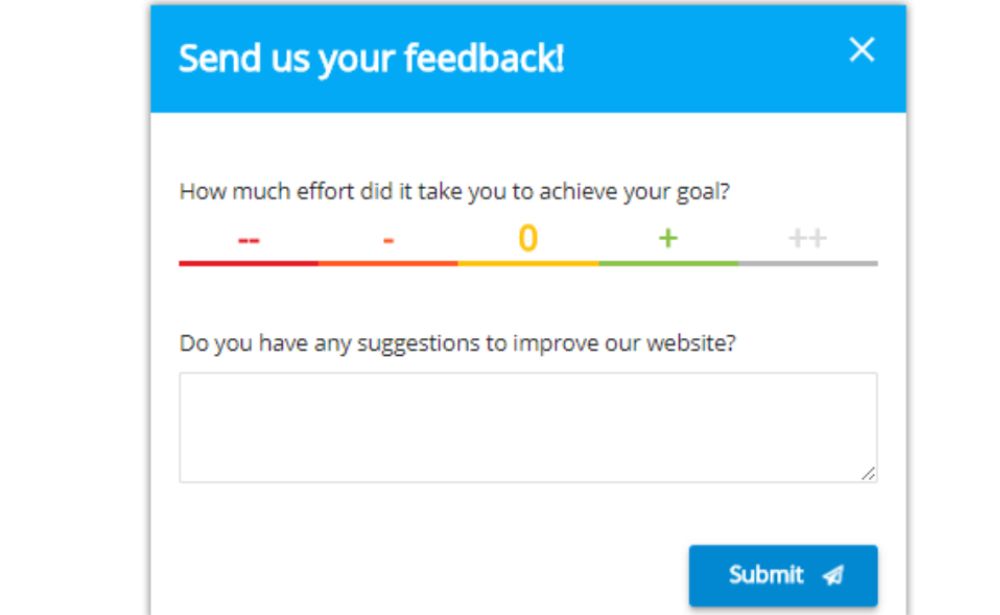
One practical way to assess this is by measuring customer effort and task success. Metrics such as Customer Effort Score (CES) help retailers understand how easy or difficult customers find it to complete a task, while goal completion rates show whether customers actually achieve what they came to do. Together, these insights make it easier to identify friction that impacts repeat visits.
When customers can complete tasks without friction, they’re more likely to return, because the experience feels reliable rather than effortful.
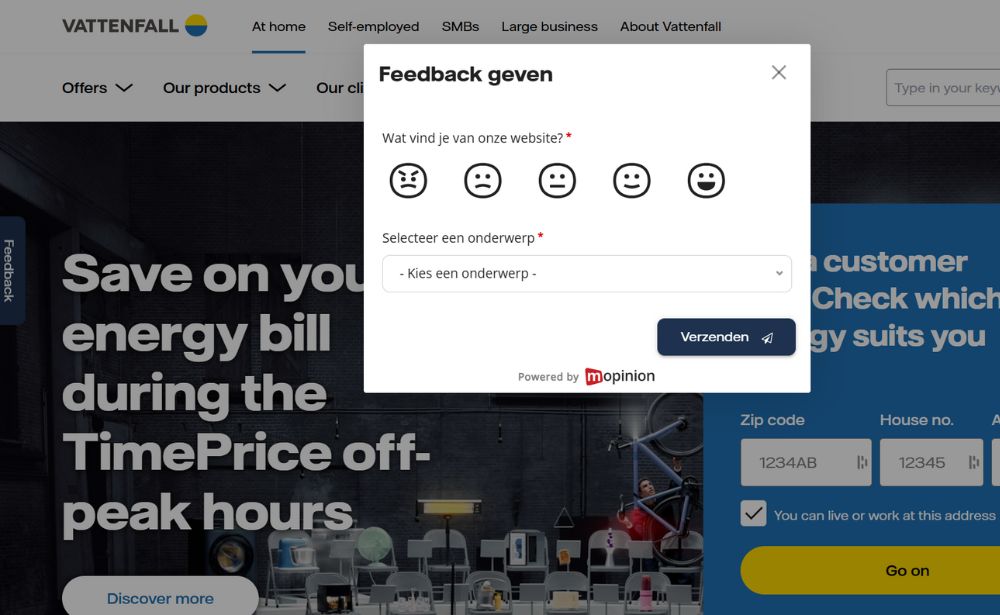
Translation What do you think of our website?
(Scale from very unhappy to very happy)
2) Reduce friction in high-impact moments
Moments such as checkout, registration and payment carry disproportionate weight in shaping customer perception. Even small issues, unclear costs, unexpected steps or performance delays can undermine confidence at the final stage of a journey.
Research from Baymard Institute consistently shows that checkout usability issues remain one of the leading causes of cart abandonment. Understanding why customers leave at these moments is critical. Techniques such as exit-intent surveys help capture insight from customers who abandon before converting, revealing friction that would otherwise remain invisible.
For a deeper look at how to design effective online surveys, you can read our article How to make an online survey that people actually complete.
Protecting these moments doesn’t just improve conversion rates, it prevents frustration that drives customers away permanently.
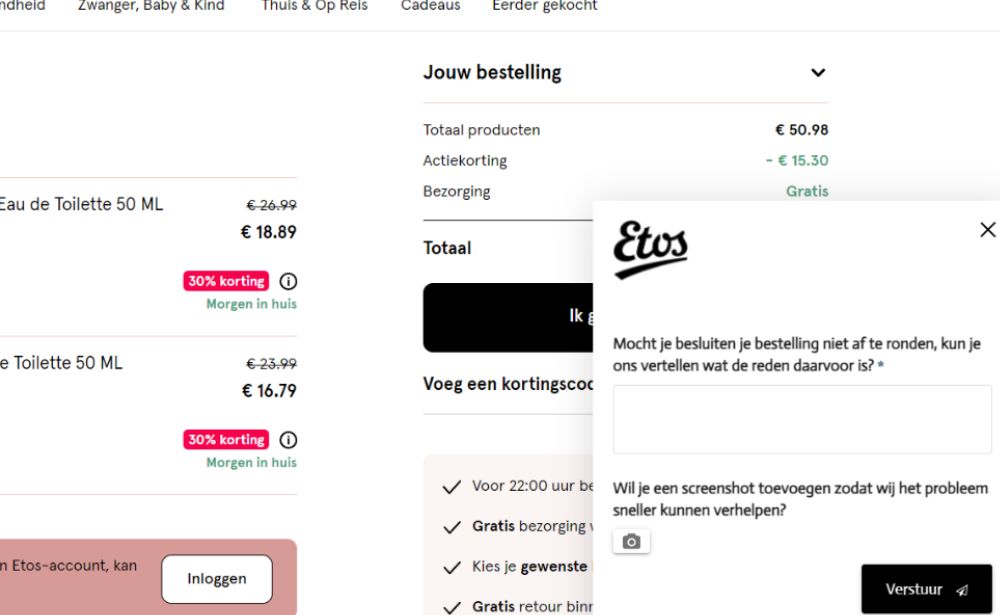
Translation: If you decide not to complete your order, could you tell us what the reason is? Would you like to add a screenshot so we can help resolve the issue faster?
3) Design digital journeys around customer intent
Many retail journeys are still structured around internal categories or organisational logic.
Customers, however, think in terms of goals!
Designing journeys around customer intent helps customers reach what they need faster and with less effort. Feedback collected at different stages of the journey allows teams to validate whether experiences align with customer feedback expectations rather than internal assumptions and adjust journeys accordingly.
Journeys that reflect customer intent reduce confusion, shorten decision time and make customers more confident about returning.
4) Keep experiences consistent across digital channels
Retail journeys rarely happen on a single device or channel. Customers move between mobile, desktop, apps, email and sometimes customer service before completing a decision.
When these touchpoints feel disconnected or inconsistent, trust weakens. Collecting feedback across channels helps retailers identify where experiences break down, particularly on mobile feedback, where small usability issues often have a significant impact on return visits.
Consistency across channels reassures customers that they can pick up where they left off, a key driver of repeat visits.

5) Use personalisation to add relevance, not complexity
Personalisation can strengthen loyalty when it genuinely supports the customer. Remembering preferences, surfacing relevant products or tailoring content can reduce effort and increase confidence.
However, personalisation that feels intrusive or overly complex often has the opposite effect. Segmenting feedback responses helps teams understand how different customer groups experience personalised journeys, making it easier to strike the right balance between relevance and simplicity.
When personalisation feels helpful rather than intrusive, customers are more likely to engage and return!
6) Listen to customers to understand what drives return visits
Analytics can show what customers do, but they rarely explain why they do it. To understand what truly encourages repeat visits, retailers need to listen directly to customers.
Structured feedback, such as Customer Satisfaction (CSAT) surveys, helps teams connect qualitative insight to broader CX performance. By collecting short, targeted questions at key moments in the journey and pairing scores with open-ended responses, teams can see not only how customers feel, but also why. This makes it easier to identify which experiences build loyalty and which quietly push customers away over time.
Understanding why customers return makes it easier to invest in experiences that drive long-term retention instead of short-term fixes.

7) Continuously improve the experience over time
Customer expectations evolve, and digital experiences must evolve with them. Retailers that treat CX as an ongoing process, rather than a one-off project, are better positioned to keep customers engaged and loyal.
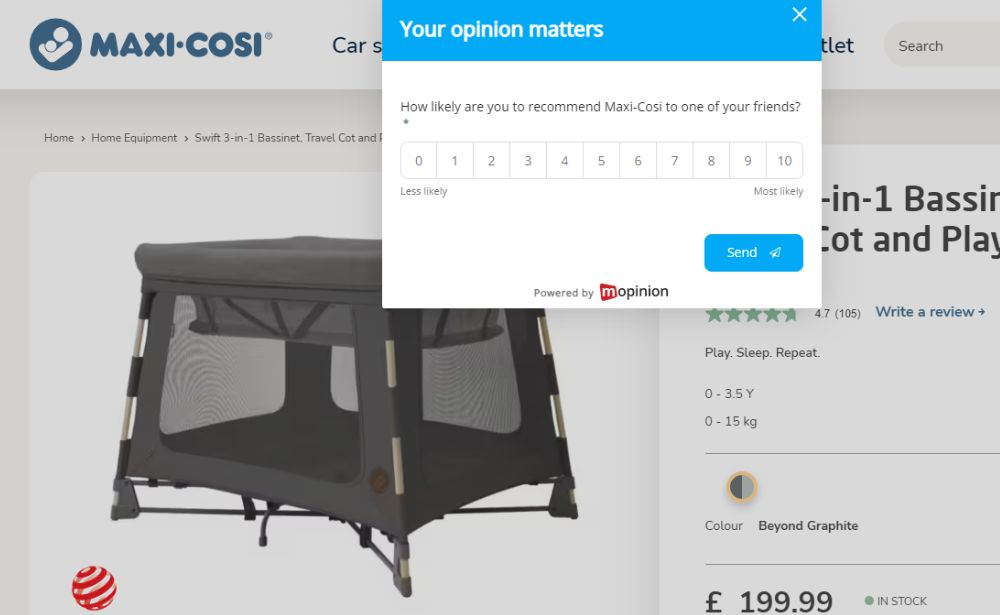
Research from Bain & Company shows that increasing customer retention rates by just 5% can increase profits by 25% to 95%, highlighting the strong link between loyalty and long-term revenue growth. Experience metrics such as Net Promoter Score (NPS) help teams track loyalty trends and validate whether CX improvements are truly driving repeat visits.
Continuous improvement ensures that loyalty grows over time, rather than eroding as expectations evolve.
Turning repeat visits into long-term loyalty with customer feedback
Customer loyalty is built through consistent, positive digital experiences over time. When retailers focus on reducing friction, aligning journeys with customer intent and maintaining consistency across digital channels, they create experiences customers return to, not because they have to, but because they want to.
Customer feedback plays a critical supporting role in this process. By capturing in-the-moment insight across key digital touchpoints, retailers can uncover friction, validate improvements and continuously optimise experiences based on what customers actually need.
Mopinion helps teams collect, analyse and act on digital feedback across websites, apps and other channels, supporting continuous CX improvement without disrupting the customer journey.
Strong digital CX doesn’t just improve satisfaction. When customer input is embedded into everyday customer experience optimisation workflows, it supports higher retention, more repeat visits and sustainable revenue growth over time.
Ready to see Mopinion in action?
Want to learn more about Mopinion’s all-in-1 user feedback platform? Don’t be shy and take our software for a spin! Do you prefer it a bit more personal? Just book a demo. One of our feedback pro’s will guide you through the software and answer any questions you may have.