
Are you considering implementing a business intelligence (BI) tool? You’re not alone. With data volumes growing rapidly, organisations increasingly rely on BI tools to understand trends, identify patterns and turn raw data into actionable insights that support both tactical and strategic decision-making.
But with so many options on the market, one key question remains: which business intelligence tool is right for your business?
TL;DR – Article summary
- Business intelligence (BI) tools help organisations turn complex data into dashboards, reports and actionable insights.
- Modern BI platforms increasingly combine self-service analytics, AI-assisted insights, natural language queries and predictive analytics.
- Leading tools include Microsoft Power BI, Tableau, SAP Analytics Cloud, Oracle Analytics Cloud, Google Looker, ThoughtSpot and Qlik Cloud Analytics.
- Each platform has different strengths, from enterprise reporting and data visualisation to embedded analytics and conversational BI.
- The best BI tool depends on your data sources, existing tech stack, analytics needs and deployment requirements.
In this article, we’ll cover:
- Why are business intelligence tools so popular?
- What should you consider when choosing a BI tool?
- Business intelligence tools are powerful, but what’s missing?
- Frequently Asked Questions
Why are business intelligence tools so popular?
Business intelligence tools make data accessible. What once required specialised analysts can now be done by business users through dashboards, visualisations and self-service analytics.
According to Mordor Intelligence, the global business intelligence market is estimated at USD 41.16 billion in 2026 and projected to reach USD 62.38 billion by 2031, driven by increased data generation, cloud adoption and demand for real-time insights.
In short, BI tools help organisations:
- Identify trends and opportunities
- Monitor performance in real time
- Forecast outcomes
- Align teams around shared data
What should you consider when choosing a BI tool?
Not all BI tools are built the same. They differ in:
- Ease of use (technical vs self-service)
- Integration capabilities
- Scalability
- Advanced analytics and AI
- Pricing and licensing models
Below is an overview of 15 widely used business intelligence tools, all of which remain active and relevant in 2026.
1. SAP Analytics Cloud
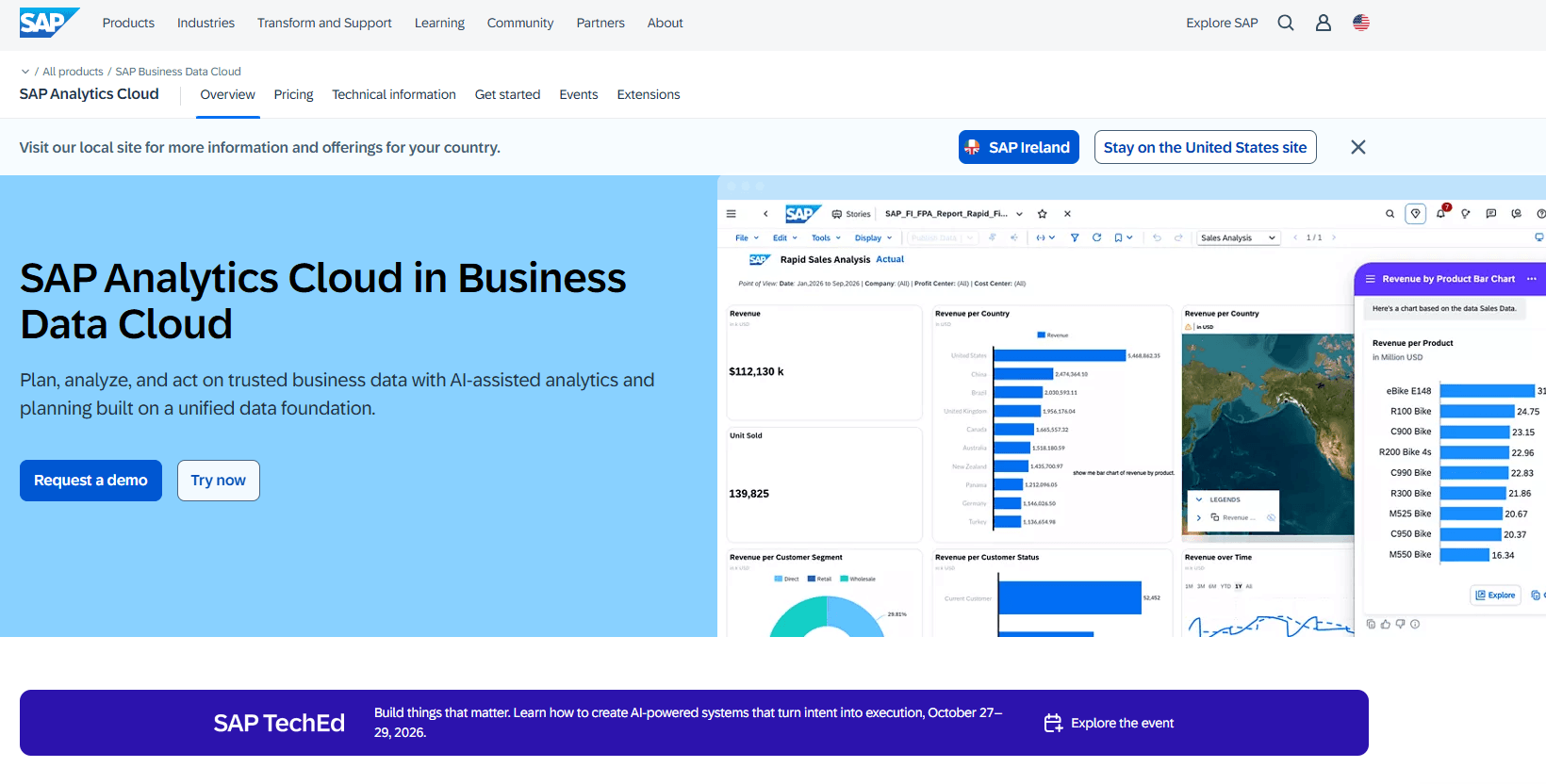
SAP Analytics Cloud is a cloud-based business intelligence platform that brings together BI, enterprise planning and predictive analytics in one solution. It enables teams to create interactive dashboards, visualise data, analyse business performance and use AI-assisted features to uncover insights and automate reporting. The platform integrates closely with SAP applications and data sources, making it particularly well suited to organisations already working within the SAP ecosystem.
Website: www.sap.com
2. Strategy (formerly MicroStrategy)
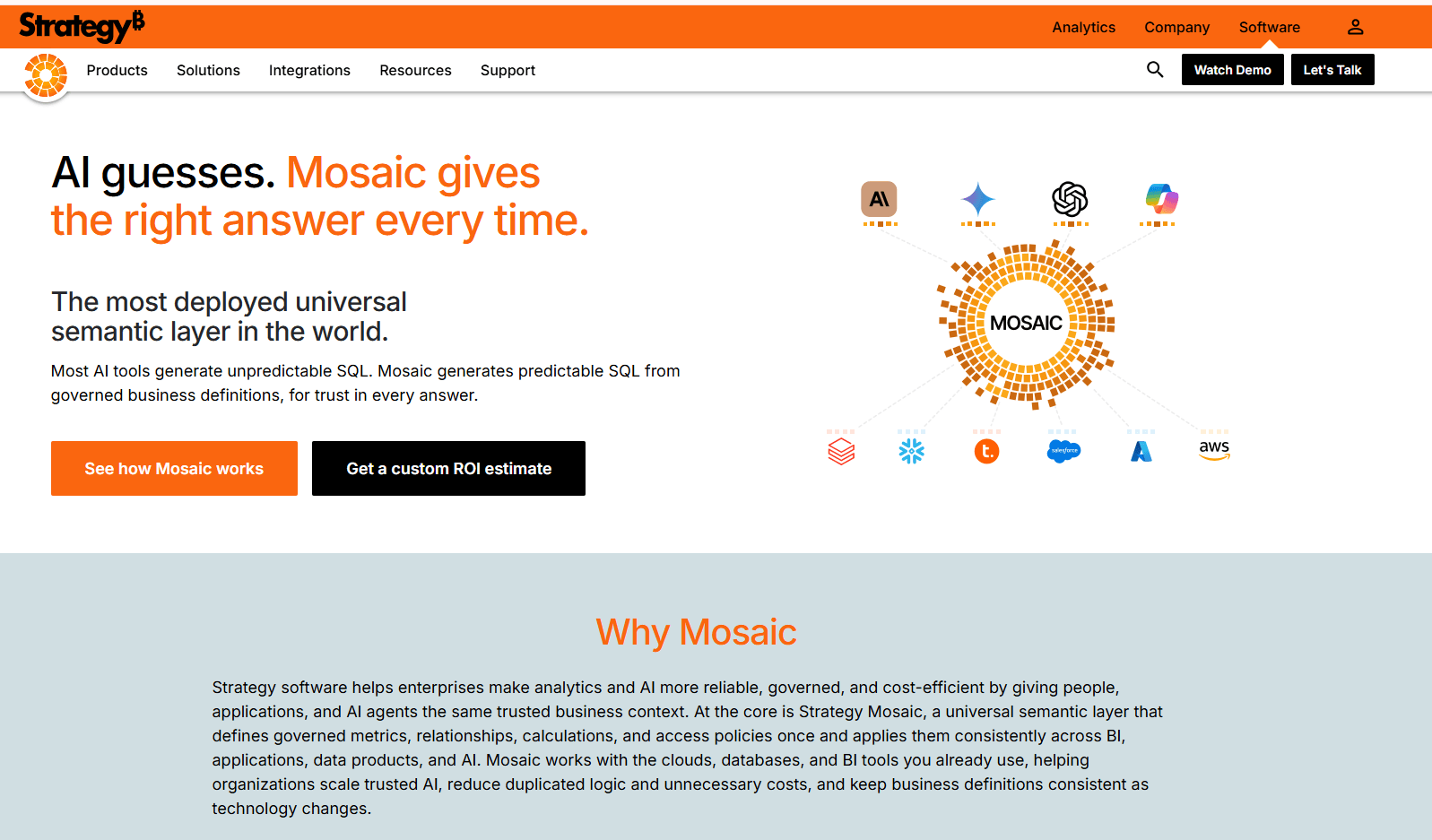
Strategy (formerly MicroStrategy) is an enterprise BI platform known for high-performance analytics, advanced dashboards and HyperIntelligence features. It connects to multiple data sources and supports desktop and mobile access. Implementation typically requires technical expertise, making it best suited for larger organisations.
Website: www.strategy.com
3. SAS Visual Analytics
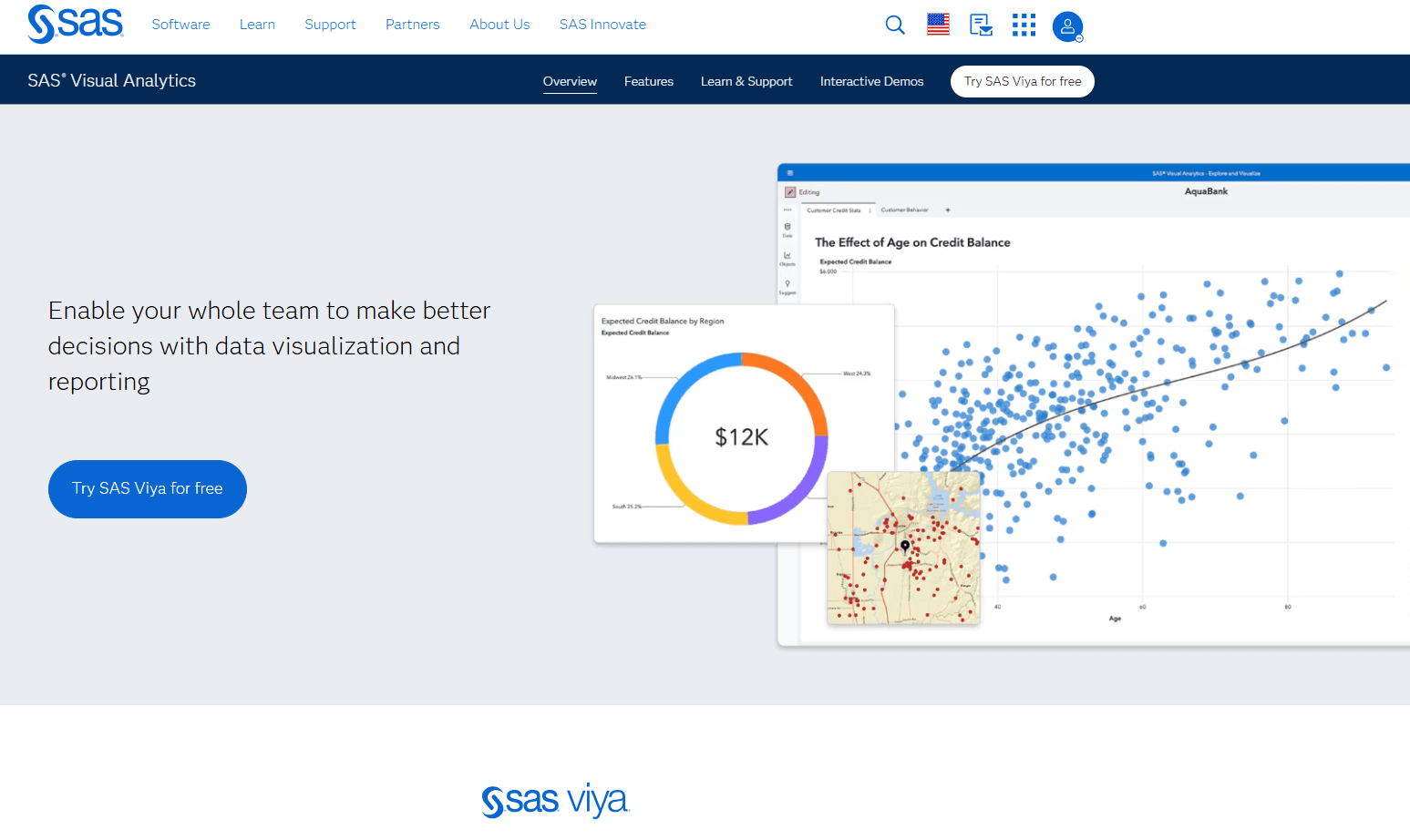
SAS Visual Analytics is a business intelligence and analytics platform built on SAS Viya. It combines interactive reporting and dashboards with data visualisation, augmented analytics and predictive capabilities, helping teams explore data and uncover patterns more efficiently. Its stronger analytical depth makes it a good fit for organisations that want to go beyond standard BI reporting and incorporate more advanced analytics into their decision-making.
Website: www.sas.com
4. Yellowfin BI
Yellowfin is an end-to-end analytics platform that combines data visualisation, collaboration and embedded analytics. Its low-code/no-code environment allows teams to build and customise dashboards efficiently, with flexible access across devices.
Website: www.yellowfinbi.com
5. Qlik Cloud Analytics / Qlik Sense
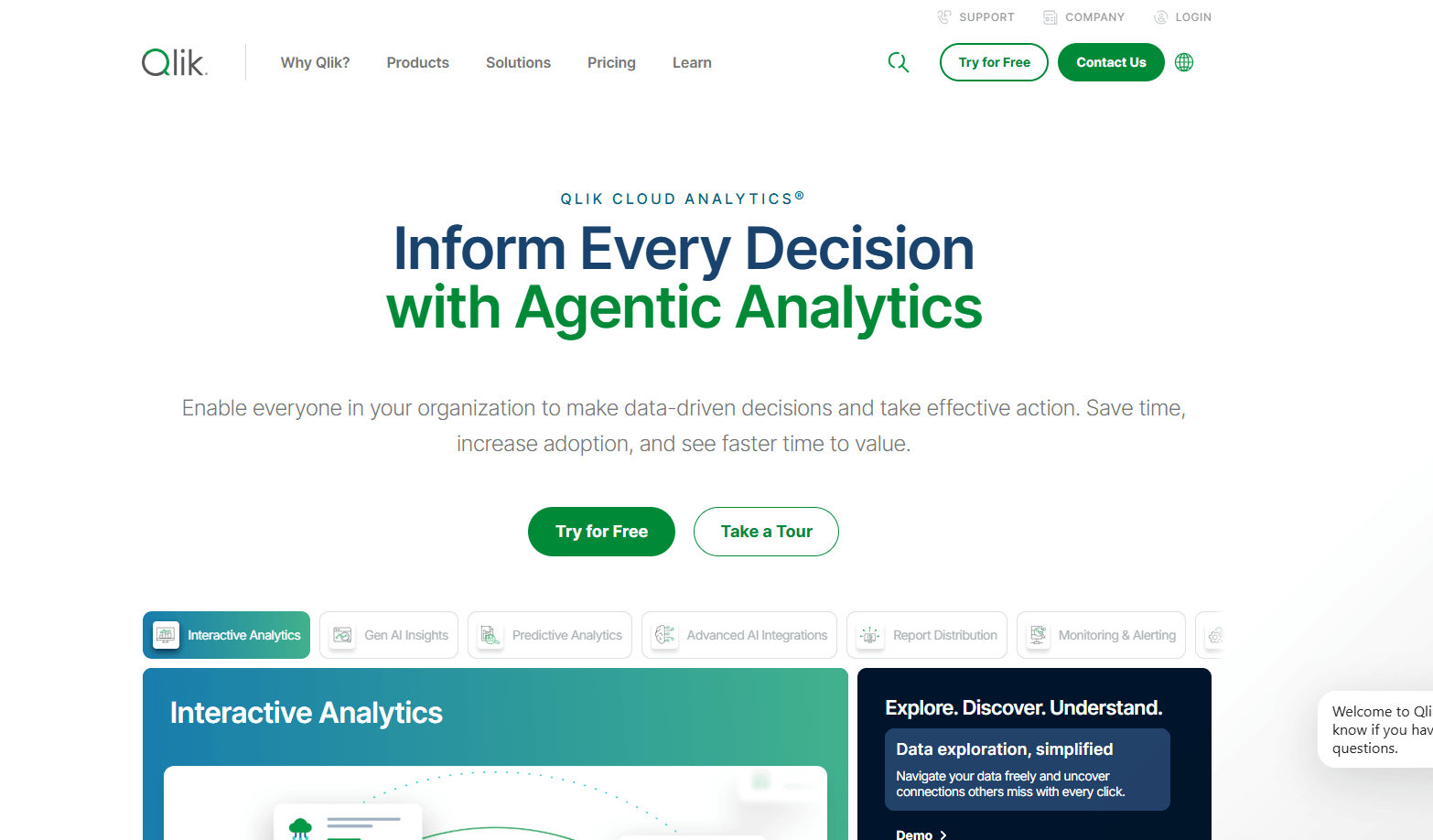
Qlik Cloud Analytics is Qlik’s cloud-based analytics platform, combining interactive dashboards, self-service data exploration, AI-assisted insights and its associative analytics engine. Qlik Sense powers much of the platform’s visualisation and exploratory analytics capabilities and is also available as a client-managed solution for organisations that require greater control over their deployment. This makes Qlik suitable for businesses looking for flexible analytics across both cloud and self-managed environments.
Website: www.qlik.com
6. Zoho Analytics
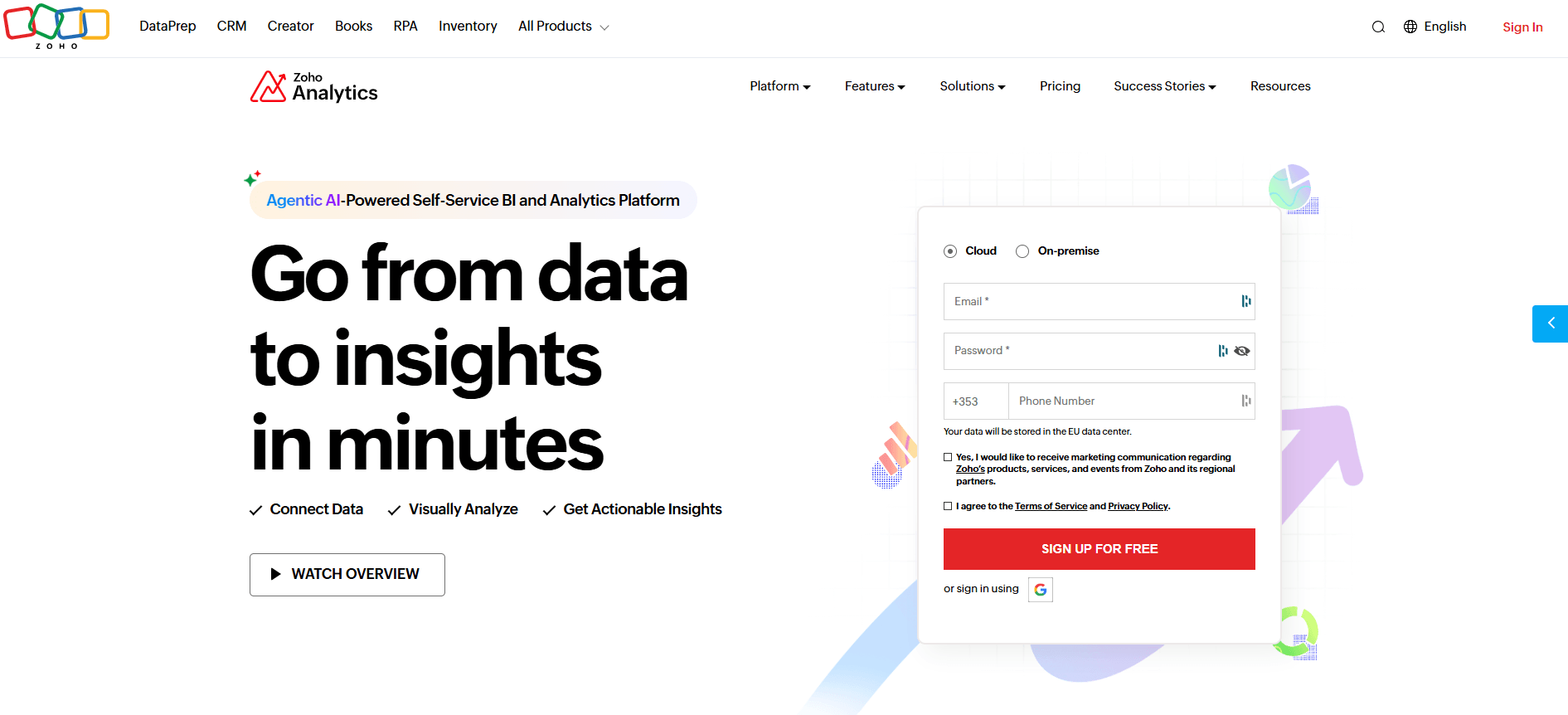
Zoho Analytics is a self-service BI tool designed for reporting and data analysis across multiple sources. It supports scheduled data syncing, data blending and collaborative commenting, making it especially attractive for SMBs.
Website: www.zoho.com/analytics
7. Sisense
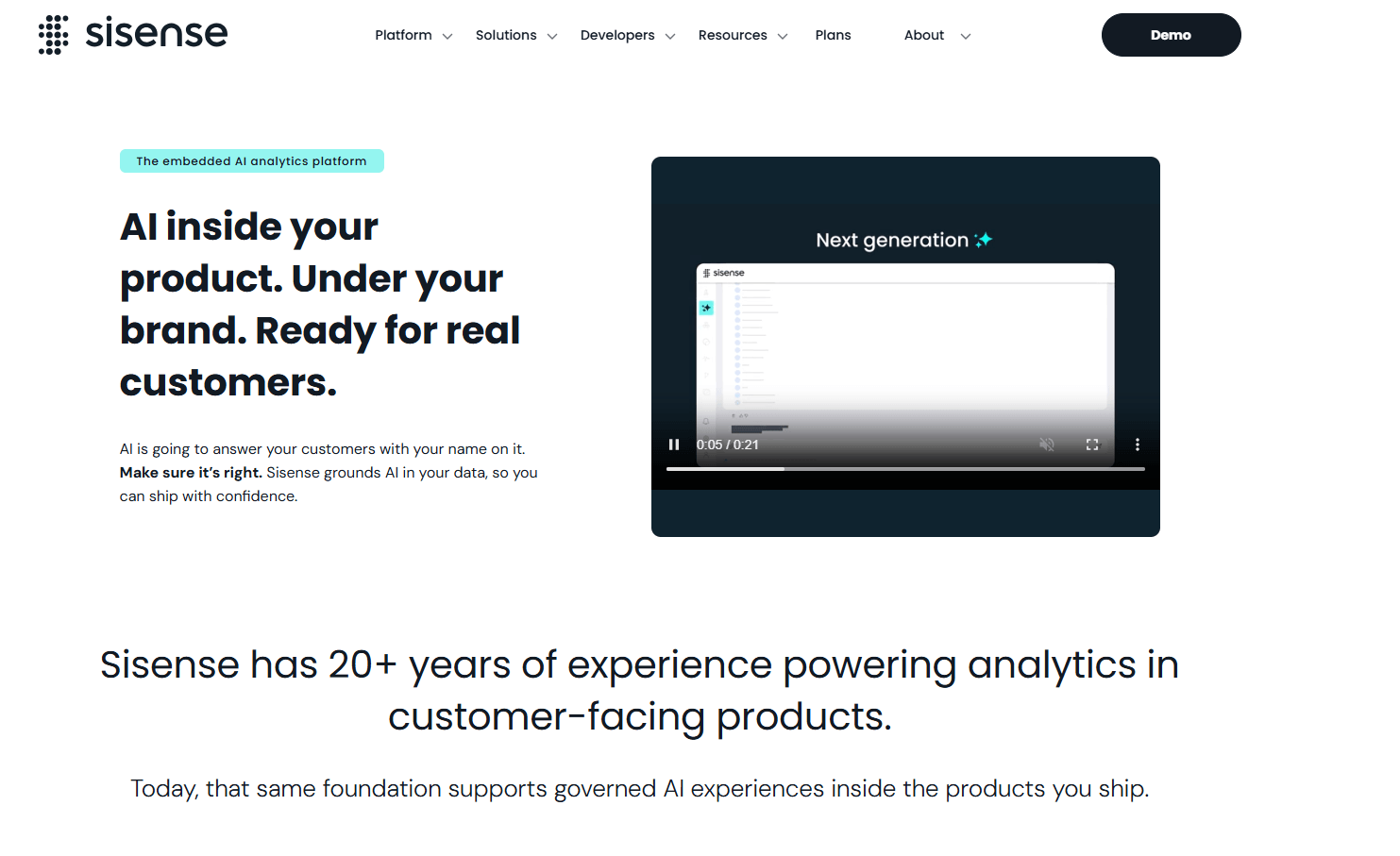
Sisense is an AI-powered embedded analytics platform designed to bring data insights directly into products, applications and everyday workflows. It combines interactive dashboards and visualisations with self-service analytics, data modelling and AI-assisted insights. With low-code, no-code and developer-focused embedding options, Sisense is particularly well suited to software companies and product teams looking to integrate customised analytics experiences into their own applications.
Website: www.sisense.com
8. Microsoft Power BI

Microsoft Power BI is a cloud-based BI platform focused on data visualisation and real-time reporting. It integrates seamlessly with Microsoft products and allows users to create interactive dashboards accessible from virtually anywhere.
Website: www.powerbi.microsoft.com
9. Google Looker
Google Looker is an enterprise business intelligence platform for data exploration, reporting, embedded analytics and building data-driven applications. It uses a governed semantic modelling layer to help organisations define consistent metrics across teams, while supporting interactive dashboards, real-time analysis and AI-assisted insights. Its integration with Google Cloud makes it particularly well suited to organisations working with BigQuery and other Google data services.
Website: cloud.google.com/looker
10. Spotfire
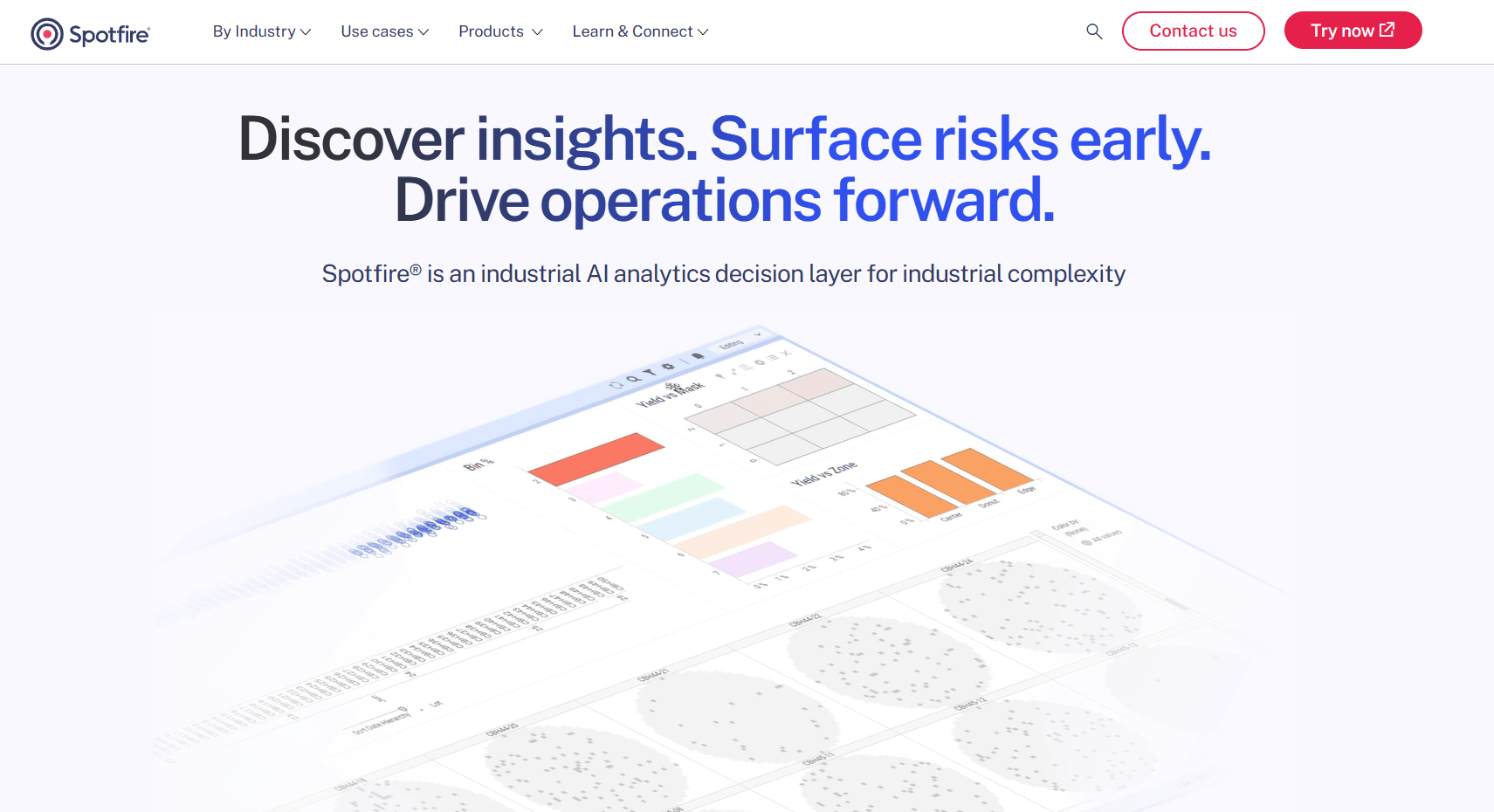
Spotfire is a BI and data visualisation platform with advanced analytics and predictive modelling. It supports real-time data analysis and is often used in data-intensive industries.
Website: www.spotfire.com
11. ThoughtSpot
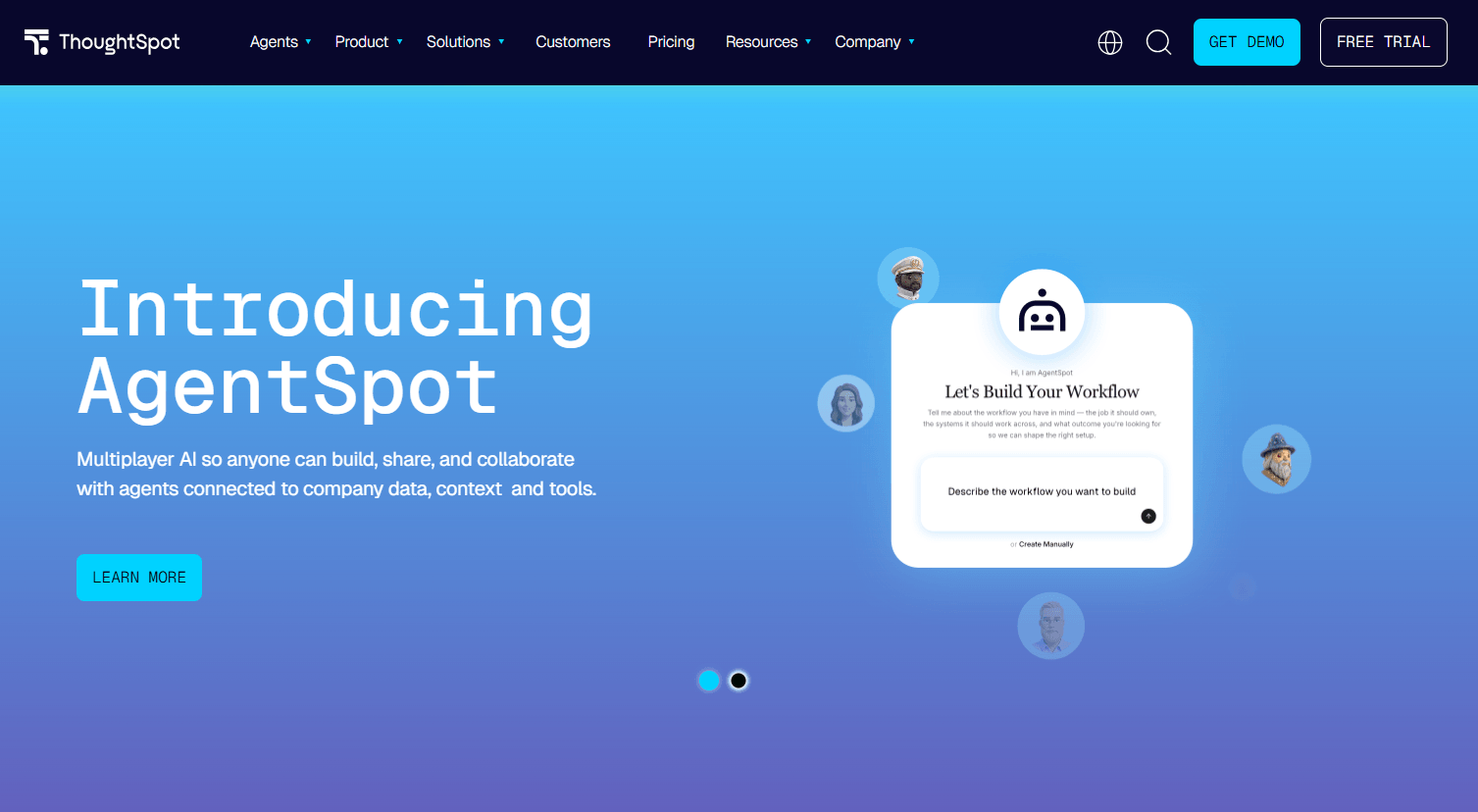
ThoughtSpot is an AI-powered business intelligence and analytics platform designed to make data exploration accessible through natural language and conversational analytics. Its agentic analytics capabilities help users ask questions, uncover trends and generate insights from live business data without relying solely on predefined dashboards. ThoughtSpot also supports embedded analytics, allowing organisations to integrate interactive and AI-assisted insights directly into their own applications and workflows.
Website: www.thoughtspot.com
12. Tableau
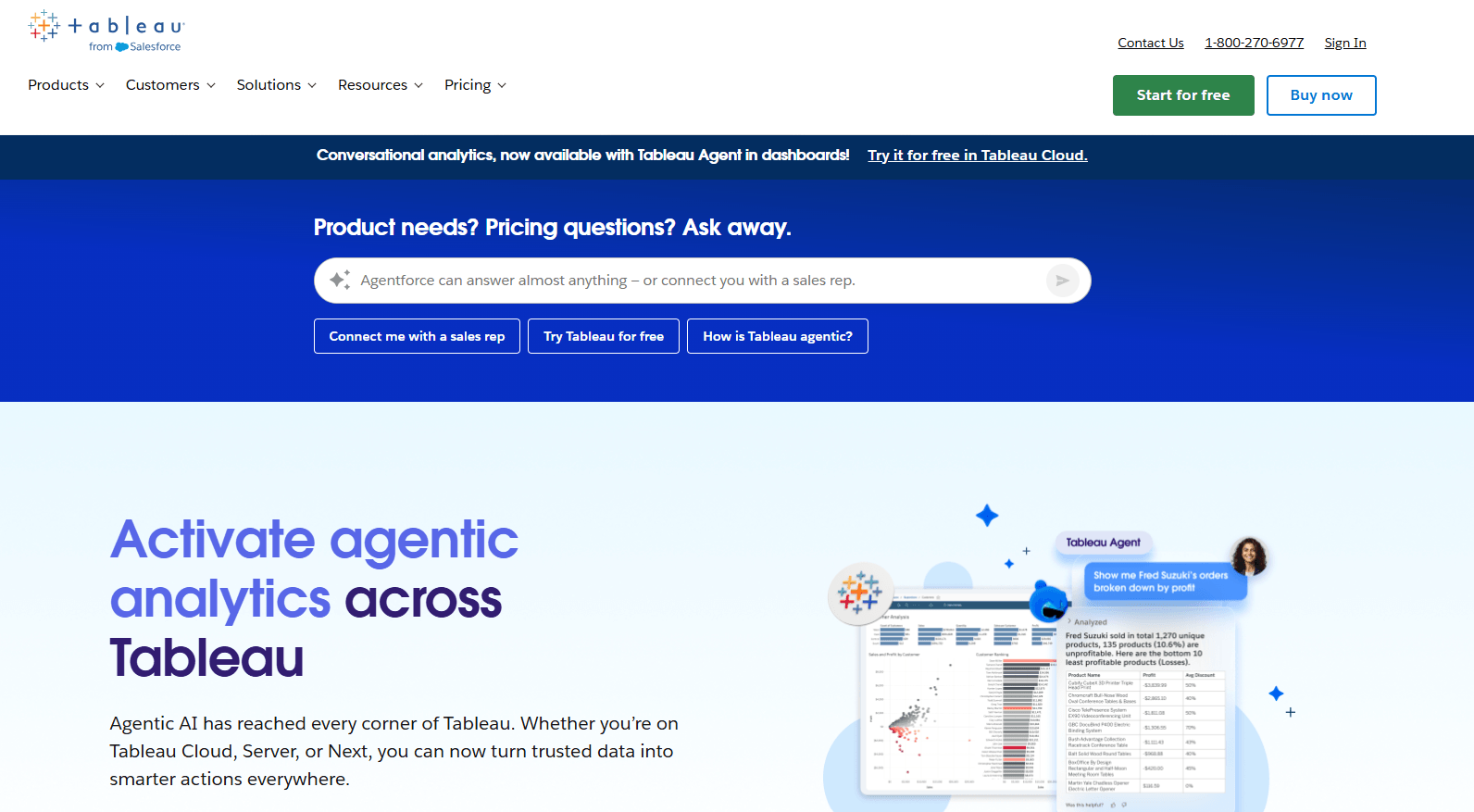
Tableau specialises in data discovery and visual analytics. It supports a wide range of data sources and enables users to create and share interactive dashboards without heavy technical involvement. Tableau offers multiple deployment options, including desktop, server and cloud.
Website: www.tableau.com
13. Oracle Analytics Cloud
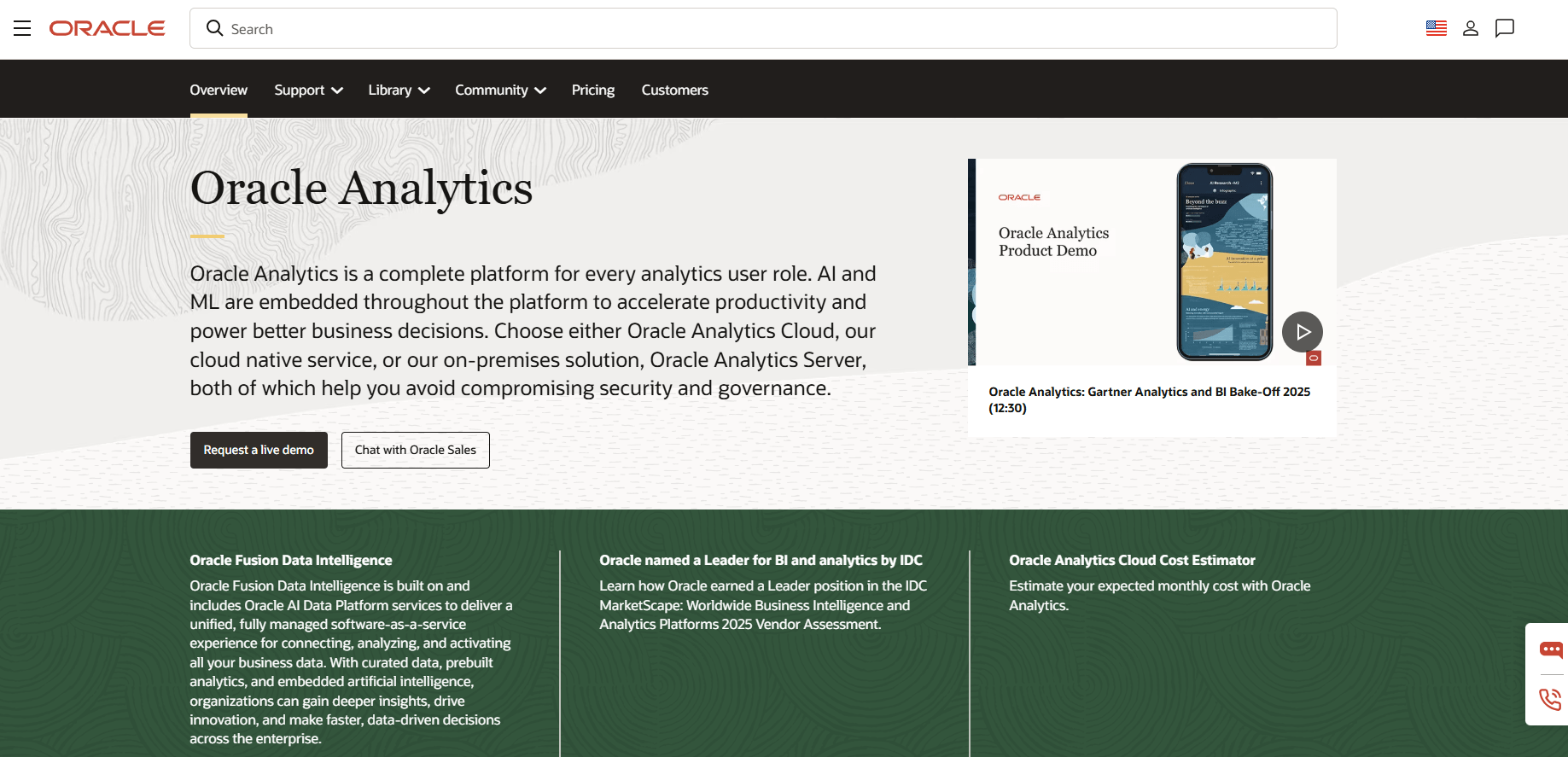
Oracle Analytics Cloud is an enterprise business intelligence and analytics platform that combines interactive dashboards, self-service data visualisation, governed semantic modelling and AI-assisted analysis. It enables teams to explore data from Oracle and non-Oracle sources, uncover trends and create consistent reports across the organisation. Its close integration with Oracle Cloud applications and infrastructure makes it particularly well suited to businesses already operating within the Oracle ecosystem.
Website: www.oracle.com
14. Domo
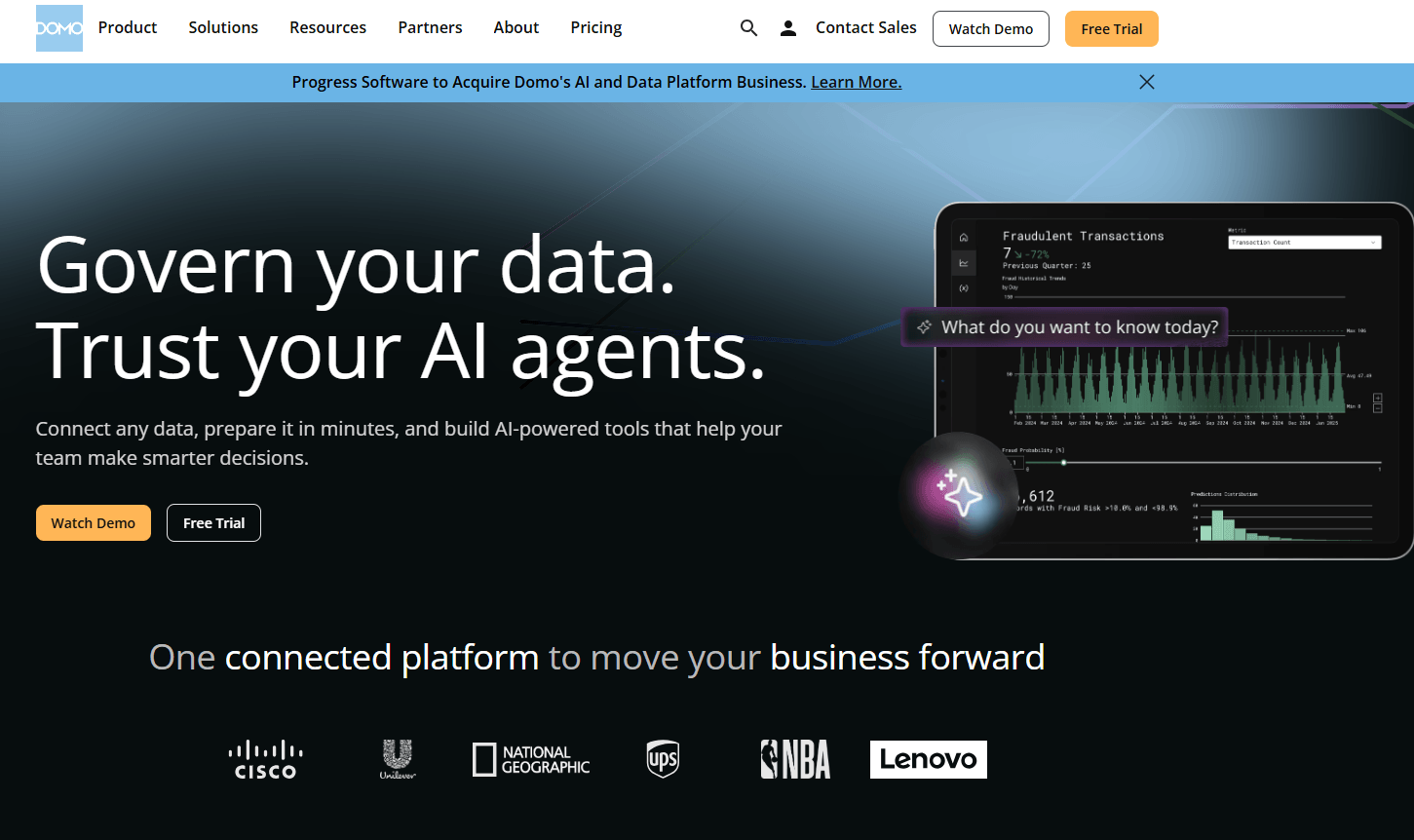
Domo is a cloud-based BI platform that integrates data from spreadsheets, databases and cloud applications. It provides both high-level overviews and detailed analytics, including AI-powered insights. The platform is powerful but can have a steep learning curve.
Website: www.domo.com
15. IBM Cognos Analytics
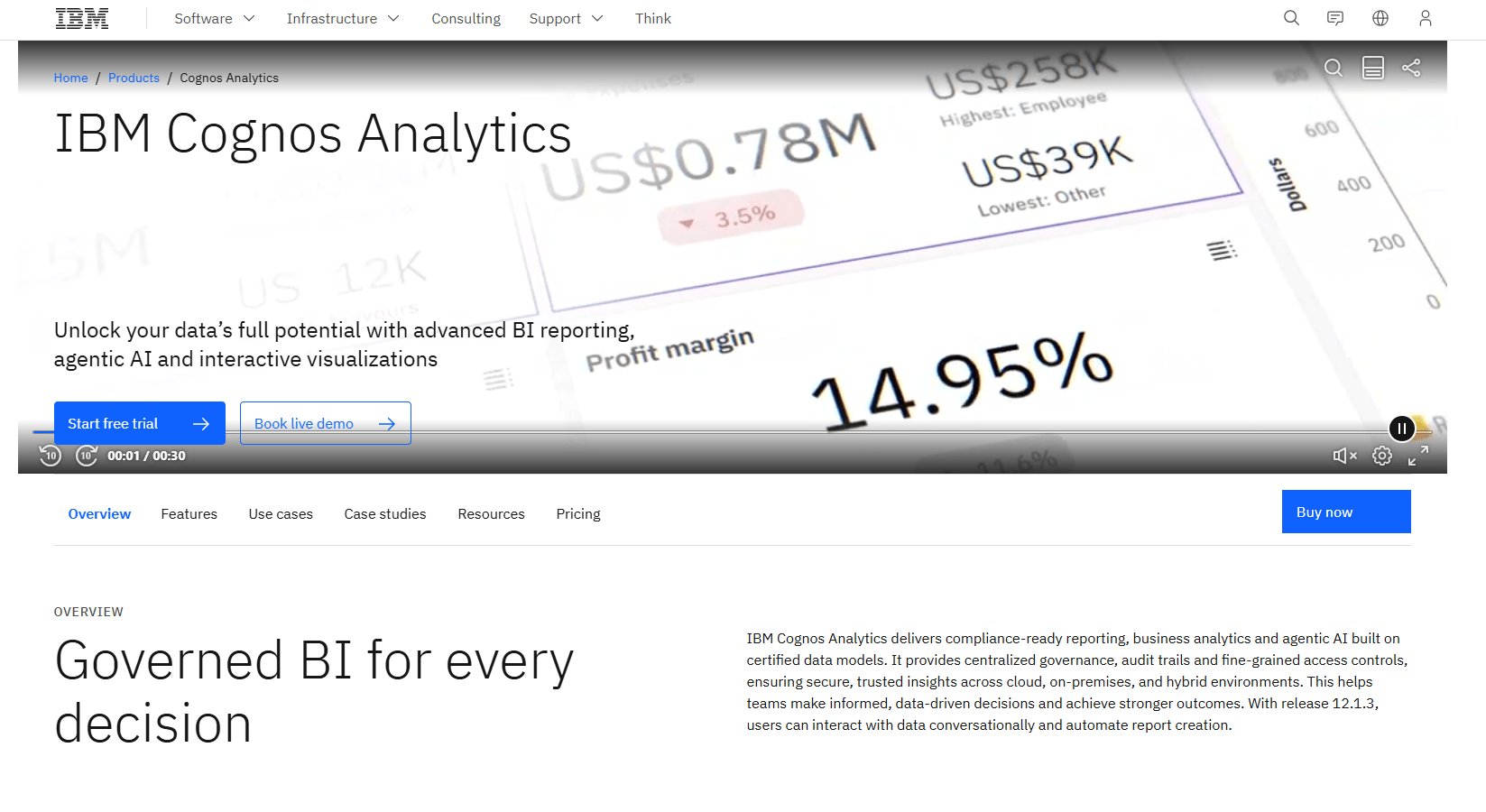
IBM Cognos Analytics is an AI-driven BI platform that supports data discovery, reporting and insight sharing. Its AI features help uncover patterns and trends, though onboarding can take time due to the platform’s breadth.
Website: www.ibm.com
Business intelligence tools are powerful, but what’s missing?
BI tools are excellent at analysing and visualising existing data. However, they typically focus on internal and behavioural data, not on collecting direct customer feedback.
This is where Voice of the Customer (VoC) comes in. Customer feedback adds context to BI dashboards by explaining why metrics change, helping teams prioritise improvements and deliver better digital experiences.
Complement BI with customer feedback
By combining BI tools with customer feedback solutions, organisations can:
- Understand user intent behind data trends
- Identify friction points fasters
- Make more customer-centric decisions
Doing research for your Martech stack?
If you’re exploring related tools, check out our other overviews on:
- Customer feedback tools
- Customer journey mapping tools
- Usability testing tools
- Survey and questionnaire tools
Ready to see Mopinion in action?
Want to learn more about Mopinion’s all-in-1 user feedback platform? Don’t be shy and take our software for a spin! Do you prefer it a bit more personal? Just book a demo. One of our feedback pro’s will guide you through the software and answer any questions you may have.
Frequently Asked Questions
A business intelligence (BI) tool is software that helps organisations collect, analyse and visualise data through dashboards, reports and other analytics features. BI tools make it easier to identify trends, monitor performance and support data-driven decision-making.
Popular BI tools in 2026 include Microsoft Power BI, Tableau, SAP Analytics Cloud, Google Looker, Qlik Cloud Analytics, Oracle Analytics Cloud, ThoughtSpot, SAS Visual Analytics and IBM Cognos Analytics. The best option depends on your organisation’s data environment and analytics requirements.
Start by looking at your existing data sources, technology stack, user skill levels and reporting needs. You should also consider deployment options, integrations, scalability, governance, AI capabilities and whether you need embedded or self-service analytics.
Modern BI platforms increasingly use AI to generate summaries, answer natural-language questions, detect patterns, automate analysis and surface relevant insights. Some tools also support conversational and agentic analytics, allowing users to explore data without manually building every report or dashboard.
Business intelligence generally focuses on monitoring and understanding business performance through reports, dashboards and historical data. Data analytics is broader and can include predictive modelling, statistical analysis and advanced techniques designed to explain or forecast outcomes.
Yes. Most modern BI platforms connect with a range of databases, cloud platforms, CRM systems, ERP software and other business applications. Integration capabilities vary between vendors, so compatibility with your existing technology stack should be an important part of the selection process.
No. While platforms such as SAP Analytics Cloud, Oracle Analytics Cloud and IBM Cognos Analytics are often used by larger organisations, many BI tools also support smaller and mid-sized businesses. Cloud-based and self-service platforms can make business intelligence more accessible without requiring a large dedicated analytics team.